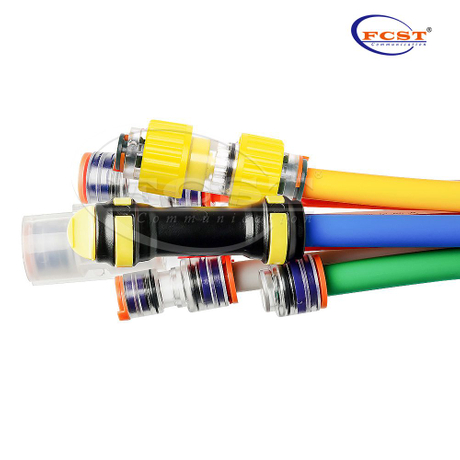
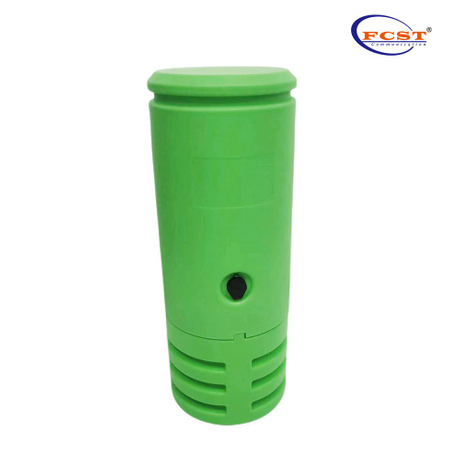
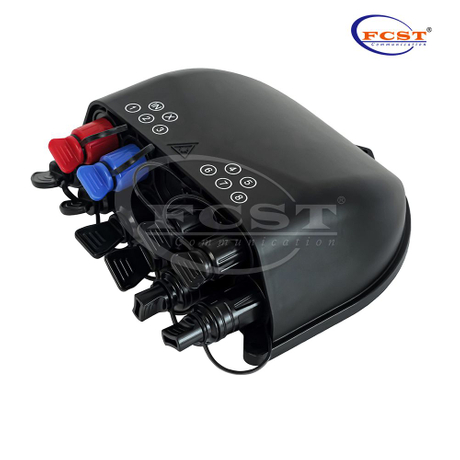
Lorem Ipsum is simply dummy text of the printing and typesetting industry has been the industry's standard dummy text ever since the been when an unknown printer.

With the continuous development of communication technology, fiber optic communication has become the mainstream in the field of communication today. Fiber Blowing Solution, as a new type of fiber optic cabling, have advantages such as simple construction, high speed, and low cost, and are widely used in the construction of communication networks in cities, rural areas, and enterprises.

The global digital ecosystem is undergoing a fundamental transformation. Driven by explosive demand from AI supercomputing clusters, 5G-Advanced rollouts, and national AI infrastructure initiatives, networks are scaling to unprecedented levels. In 2025, optical communication is no longer a supporting layer—it has become the compute fabric itself.

As fiber-to-the-x (FTTx) deployments accelerate worldwide, cable blowing—or jetting—remains the gold standard for fast,low-damage, high-yield underground microduct installations. However, blowing distance is not determined by air pressure alone. It's the result of a system-level synergy between duct geometry, lubrication, connector integrity, closure design, and environmental conditions.

As fiber optic networks expand beneath our streets and landscapes, an invisible infrastructure crisis looms: how do we protect and locate cables we cannot see? Every year, accidental cable strikes cause millions of dollars in damage, service disruptions affecting thousands of users, and potential safety hazards.

As global demand for fiber-optic connectivity continues to rise—driven by FTTH, 5G small-cell backhaul, data center interconnection, IoT expansion, and campus automation—telecommunication networks are transitioning from traditional duct-and-cable construction to microduct-based architectures.