|
FCST-TH-SMC05
FCST
FCST-TH-SMC05
50
Product Overview
What Is a Fiber Optic Manhole Chamber?
Underground fiber optic infrastructure faces constant challenges: moisture, soil pressure, corrosion, and long-term maintenance costs. A weak access chamber doesn't just risk cable damage—it drives up operational expenses.
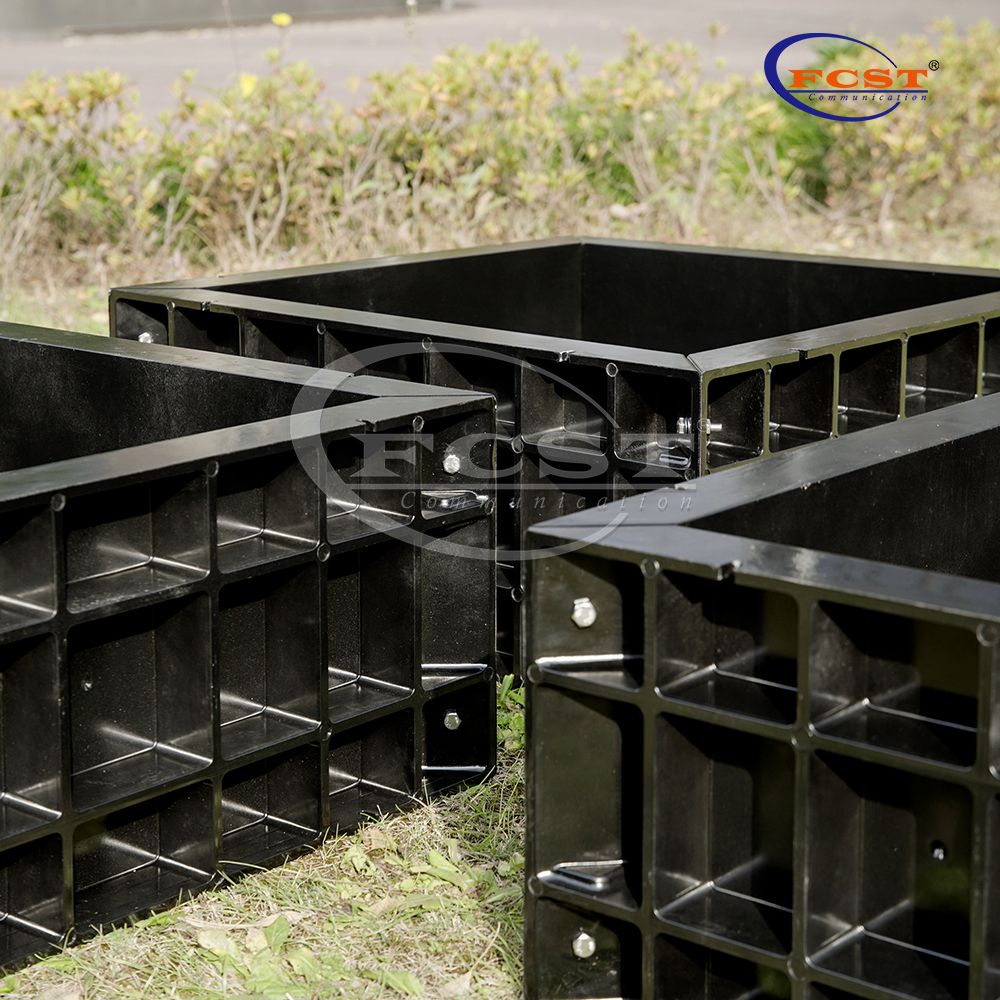
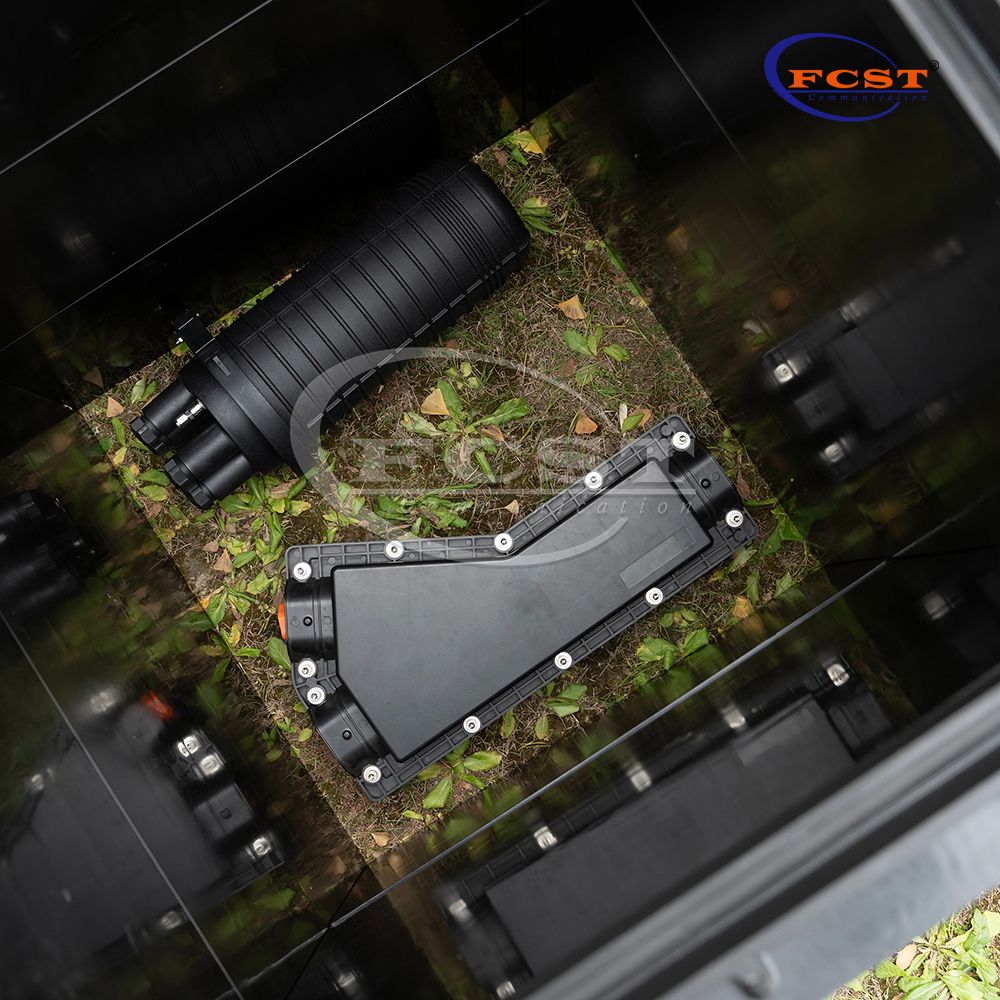
FCST-TH-SMC05 Modular Composite Access Chamber is an underground access enclosure used for protecting and managing fiber optic cables, telecom ducts, and utility connections.It allows technicians to inspect, splice, route, and maintain underground communication infrastructure safely and efficiently.
Why infrastructure engineers choose FCST-TH-SMC05
Made from SMC composite material, this chamber offers excellent corrosion resistance, electrical insulation, and flame retardancy (V0 grade). It withstands aggressive soil conditions and temperature extremes from -40°C to +65°C.
Certified to EN124 with load classes B125 (12.5T), C250 (25T), and D400 (40T). Whether under pavements, parking lots, or driveways—this chamber stays secure.
Modular design allows depth stacking. You get flexibility without custom manufacturing—adapt to different cable burial depths as needed.
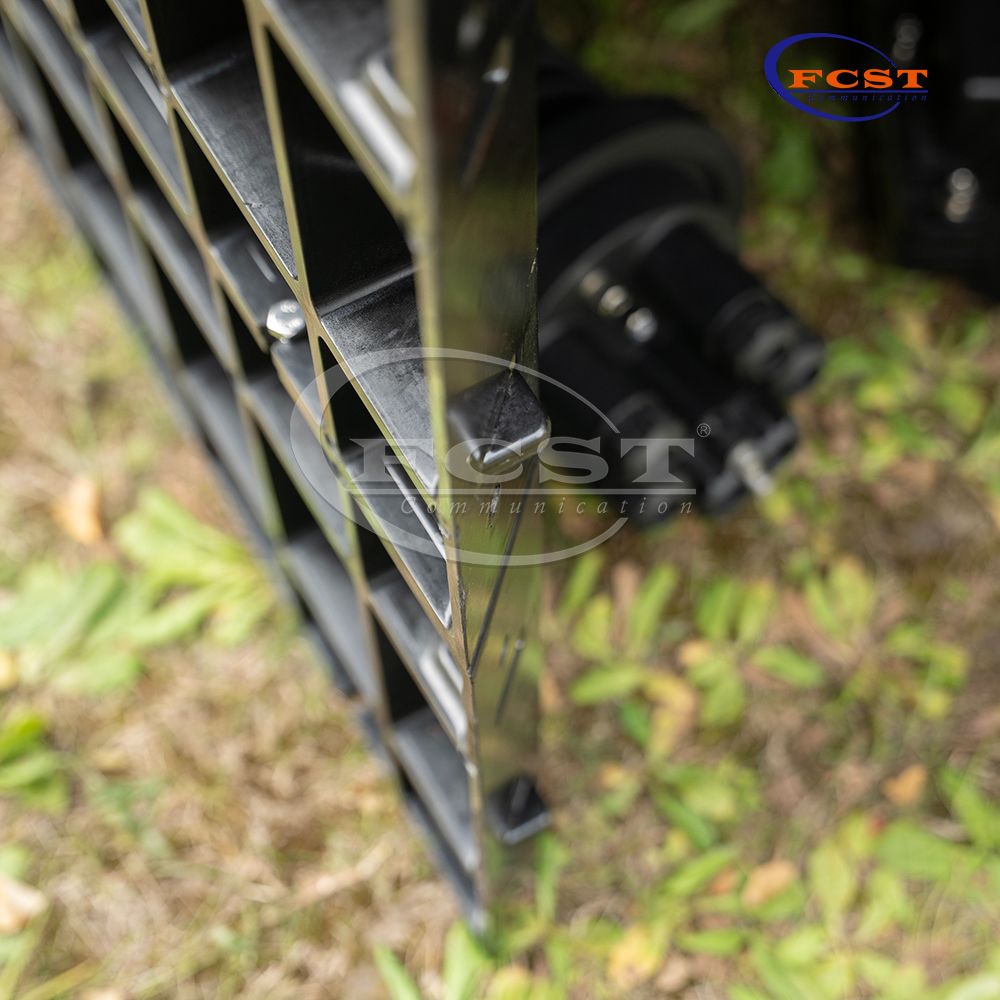
Transverse and vertical stiffeners on the outer shaft integrate firmly with compacted soil layers. No shifting, no loosening after backfilling and rolling.
The prefabricated SMC structure reduces on-site construction labor and equipment costs. No heavy lifting or complex casting required.

Product Application


Product Specifications
| Construction | Description |
| Executive Standard | EN124 |
| Material | SMC |
| Manhole Cover Load Grade | B125(12.5T) | C250(25T) | D400(40T) |
| Length | 600.00mm | 23.623in |
| Width | 600.00mm | 23.623in |
| Depth | 900.00mm | 35.434in |
| Weight | 108kg(3 Layers) |
| Flame Retardant Grade | V0 |
| Environmental Requirements LOGO | Meet ROHS Available |
| Working Temperature | -40°C~+65°C |
| Storage Temperature | -40°C~+70°C |
| Service Life | 30 years |
Product Structure

Product Size
| External Size(L*W*D) | Internal Dimensions(L*W*D) | Manhole Cover Load Grade |
| 720*720*960mm (28.347"x28.347"x37.796") | 600*600*900mm (23.623"x23.623"x35.434") | B125(12.5T)/C250(25T)/D400(40T) |

FAQ
1. Which parts of Composite Access Chamber for Telecommunication can be customized in color?
Customizable Parts:All SMC/BMC parts.
Customizable Color: According to customer requirements.

2.When Should I Use a Manhole Instead of a Junction Box?
The choice depends on cable size, installation depth, and maintenance requirements.
Use a Junction Box When:
The installation is relatively shallow.
It serves as a cable pulling point or small splice location.
All maintenance can be performed from ground level.
Use a Manhole When:
Large trunk cables are installed underground.
The network requires frequent inspections or maintenance.
Technicians need physical access to the enclosure.
Engineering Tip:
Many utility standards require manholes at major cable intersections, directional changes, or long conduit runs to reduce cable pulling tension and simplify maintenance.
3.What Load Ratings Do Your Composite Manholes Meet?
Our products are tested in accordance with BS EN 124 and relevant international standards.
Available load classes include:
Load Class | Load Capacity | Typical Application |
A15 | 15 kN (1.5 Tons) | Gardens, pedestrian areas |
B125 | 125 kN (12.5 Tons) | Sidewalks, parking areas |
C250 | 250 kN (25 Tons) | Kerbside and roadside drainage |
D400 | 400 kN (40 Tons) | Roads, highways, industrial zones |
4.Why Choose Composite Manholes Instead of Cast Iron or Concrete?
Composite manholes offer several advantages:
Anti-Theft
Composite materials have little to no scrap value, significantly reducing theft risks.
Lightweight
Typically 30–50% lighter than cast iron, making transportation and installation easier.
Corrosion Resistant
Unaffected by rust, saltwater, hydrogen sulfide, and many industrial chemicals.
Signal Friendly
Unlike metal covers, composite materials allow radio and wireless signals to pass through, making them ideal for telecom, smart city, and IoT applications.
5. What tests do manhole inspection chamber undergo before leaving the factory?
1.Material sampling inspection.
2.Dimensional measurements.
3.Appearance flatness inspection.
4.Load-bearing stress test.
5.Trial installation.
6.How Are Products Packaged for International Shipping?
We typically recommend disassembling the plates of each part and placing them on trays, which can be packaged together based on the same size components, or according to a set of telecom manholes.